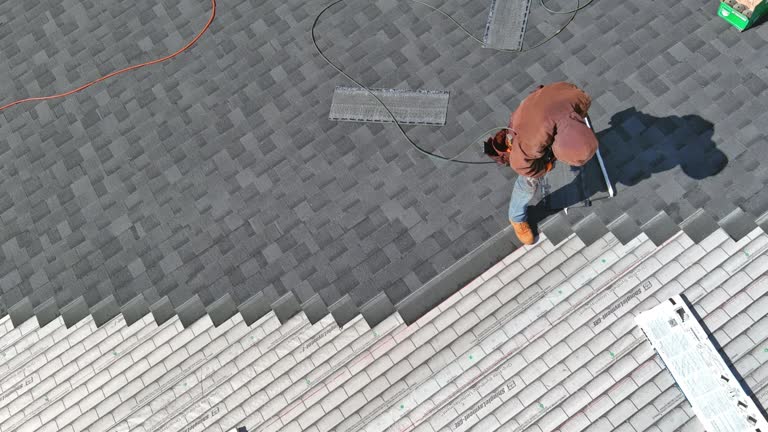
Determining whether to re-roof or completely replace your roof can be challenging. Both options serve different purposes depending on the condition of your roof, its age, and any underlying issues. Below, we’ll explore factors to help you decide the right course of action for your home.
Key Factors to Consider
- Asphalt shingles: Typically last 20–30 years.
- Metal roofs: Can last 40–70 years.
- Tile or slate roofs: Often have a lifespan exceeding 50 years.
If your roof is approaching or has exceeded its expected lifespan, it may be time for a full replacement rather than re-roofing.
- Minor Damage: For issues like a few missing shingles or small leaks, re-roofing might be sufficient.
- Extensive Damage: Large leaks, widespread rot, or structural damage could require a complete replacement.
- Roof Layers
Most building codes allow no more than two layers of roofing materials. If you already have two layers in place, you’ll need to remove both and replace the entire roof before adding another layer. - Underlying Issues
Re-roofing only addresses surface-level problems and does not resolve concerns like water damage beneath shingles or compromised structural integrity.
Benefits of Re-Roofing vs Replacement
| Aspect | Re-Roofing | Roof Replacement |
| Cost | Lower upfront cost | Higher investment |
| Time | Quicker installation | Longer process |
| Longevity | Shorter lifespan improvement | Long-term durability |
| Structural Issues | Doesn’t address base problems | Resolves underlying concerns |
Common Scenarios For Each Option
- The overall structure is sound and there are minor surface issues.
- Your roof has only one existing layer of material.
- You’re looking for a cost-effective short-term fix.
- There are significant signs of wear such as sagging or multiple leaks.
- Water damage has affected the underlayment and decking.
- You want to increase long-term durability and curb appeal.
Consulting with Professionals
A professional roofer can conduct an inspection to assess the condition of your roof thoroughly. They will check for structural integrity, moisture penetration, and areas prone to potential future damage. Investing in professional advice ensures that you make an informed decision based on expert recommendations rather than assumptions.
When weighing whether to re-roof or fully replace your roof, keep these factors in mind. Addressing issues promptly can prevent further damage while protecting your home for years ahead.
Exploring Re-Roofing and Roof Replacement with a Trusted Minneapolis MN Roofing Company
When it comes to maintaining your home, the roof is one of the most critical components. Over time, wear and tear can lead to damage that requires attention. However, many homeowners are unsure whether they need to re-roof or opt for a complete roof replacement. Understanding the difference between the two processes can help you make an informed decision.
Understanding Re-Roofing with a Trusted Roofing Contractor Minneapolis MN
Re-roofing involves adding a new layer of shingles on top of an existing roof. This method can only be performed if there is one layer of shingles currently installed and no significant underlying damage to the roofing structure.
Key Features of Re-Roofing:
- Cost-effective: Generally less expensive than a full replacement since it requires fewer materials and labor.
- Faster Installation: Takes less time compared to replacing the entire roof.
- Ideal for Minor Wear: Works well when the roof is aging but still structurally sound with no leaks or water damage underneath.
However, re-roofing is not always a viable option. If there are multiple layers of shingles or significant damage present, other solutions may be necessary.
Understanding Roofing Services Minneapolis MN: What is Roof Replacement?
Roof replacement involves completely removing the old roofing material down to the deck and installing new underlayment and shingles. This ensures that any underlying issues are addressed before adding a new layer of protection.
Key Features of Roof Replacement:
- Thorough Inspection: Provides an opportunity to inspect the decking for damage such as rot or mold that might otherwise go unnoticed during re-roofing.
- Durable Solution: Guarantees long-term durability since all materials are replaced rather than simply covered up.
- Complies with Building Codes: In some areas, building codes restrict how many layers of shingles can be added, making replacement mandatory in specific scenarios.
Comparing Re-Roofing and Roof Replacement
| Aspect | Re-Roofing | Roof Replacement |
| Cost | Lower cost | Higher cost due to labor/materials |
| Time | Faster installation | More time-consuming |
| Longevity | May not last as long | Longer-lasting solution |
| Structural Issues | Does not address underlying issues | Resolves structural problems |
When Should You Choose Each Option?
Opt for Re-Roofing If:
- The existing roof has one layer of shingles.
- There are no signs of water damage or structural issues.
- You’re looking for a budget-friendly and short-term improvement.
Opt for Roof Replacement If:
- The decking shows signs of rot, leaks, or mold growth.
- The roof has two or more layers of shingles (common in older homes).
- You want a long-term solution that enhances durability and resale value.
Final Considerations
While re-roofing may seem like an appealing choice due to its lower cost and quicker process, it’s essential to evaluate your roof’s condition carefully. Ignoring underlying problems by opting for re-roofing could lead to higher repair costs down the line. Consulting with a professional roofer ensures you receive expert advice tailored to your home’s specific needs. Always weigh both options against your budget, desired longevity, and current roof condition before making your final decision.
Understanding What Re-Roofing Is And How It Differs From Roof Replacement
When it comes to maintaining your roof, two common terms often arise: re-roofing and roof replacement. While they may sound similar, these processes have distinct differences, and understanding them can help you make the best decision for your home or business. Let’s dive into what each entails, their benefits, and when to choose one over the other.
What Is Re-Roofing?
Re-roofing is the process of adding a new layer of shingles on top of an existing roof. It is often considered a more cost-effective and faster way to address minor roofing issues without undertaking a complete overhaul.
- Cost-Effective: Since re-roofing does not involve dismantling the old roof, it requires less labor and fewer materials compared to full roof replacement.
- Time-Saving: The process is quicker because there’s no need to remove existing roofing materials.
- Limited Repairs: Ideal for roofs that are in relatively good condition but have minor wear or damage.
That said, re-roofing has its limitations. It can only be done once, meaning if your roof already has multiple layers of shingles or significant structural damage, this option may not be suitable.
What Is Roof Replacement?
Roof replacement involves removing all existing materials down to the decking and then installing a completely new roofing system. This is a comprehensive solution that addresses both surface-level wear and deeper structural issues.
- Thorough Inspection: During a replacement, contractors inspect the decking for damage, such as rot or mold.
- Customization Options: You can choose new materials or upgrade to better-quality shingles when replacing your roof.
- Long-Term Solution: A complete replacement ensures safety, durability, and improved aesthetics for years to come.
While more expensive upfront than re-roofing, replacement helps address underlying problems that could worsen over time if left untreated.
Comparing Re-Roofing vs Roof Replacement
| Feature | Re-Roofing | Roof Replacement |
| Cost | Lower | Higher |
| Time Required | Shorter | Longer |
| Structural Repairs | Not addressed | Fully addressed |
| Suitability | Minor damage | Significant damage or aging roofs |
| Longevity | Moderate (depends on old layers) | High (new structure entirely) |
When To Choose Re-Roofing Or Roof Replacement?
- If your current shingles are mostly intact with no major leaks or structural concerns, re-roofing might suffice.
- For sagging roofs or widespread issues like water damage beneath the surface, replacement is necessary.
- Homeowners with limited budgets may lean toward re-roofing as an immediate fix.
- If long-term savings are important to you, investing in a full roof replacement can reduce repair costs in the future.
- For roofs nearing the end of their lifespan (e.g., 20+ years for asphalt), replacing them ensures optimal protection.
- For relatively newer roofs with localized issues like curling shingles or isolated leaks, re-roofing may be appropriate.
- Some regions prohibit multiple layers of roofing due to weight concerns. In such cases, removal followed by installation becomes mandatory.
Making an informed decision about whether to opt for re-roofing or a full roof replacement ultimately depends on assessing your unique circumstances. Consulting with professional roofing contractors can provide insights tailored to your specific needs while ensuring safety and compliance with building regulations.
4 Key Signs That Indicate Your Metal Roof Needs Replacement
Metal roofs are known for their durability and longevity, often lasting 40-70 years with proper maintenance. However, no roofing material is immune to wear and tear over time. Identifying when your metal roof needs replacement can save you from more significant structural issues and costly repairs in the future. Below are four key signs that indicate it might be time to replace your metal roof.
1. Persistent Leaks or Water Damage
One of the most obvious signs of a failing metal roof is persistent water leaks. While occasional leaks can often be repaired, widespread water damage suggests underlying issues with the roof’s structure, such as corroded panels or deteriorating fasteners.
Signs of water damage include: – Water stains on ceilings or walls – Dripping water during rainfall – Mold growth or a musty odor in your home
If repairs have not resolved these issues or leaks continue to occur frequently, replacing the roof may be necessary.
2. Corrosion and Rust
Although many modern metal roofs are treated with protective coatings, over time, exposure to moisture and harsh weather conditions can lead to corrosion or rusting. Rust weakens the structural integrity of the panels and compromises their ability to protect your home.
Common corrosion indicators: – Visible rust spots on panels – Prolonged discoloration in certain areas – Bubbling or peeling paint (a sign that rust may be forming underneath)
If large sections of your roof show rusting, it’s often more cost-effective to replace it entirely rather than attempting repeated repairs.
3. Loose or Damaged Fasteners
Fasteners play a critical role in securing metal panels to your roof’s structure. Over time, these fasteners can loosen due to thermal expansion and contraction of the metal during seasonal changes. Additionally, damaged washers or missing screws can compromise the integrity of your roof.
What to look out for: – Gaps between panels where fasteners have come loose – Missing screws along seams – Worn-out rubber washers around fastener heads
Loose fasteners not only create vulnerabilities but also increase the risk of panels detaching during strong winds, making timely replacement essential.
4. Extensive Panel Damage
Metal roofs are designed to withstand impacts from hailstorms, falling branches, and other external forces; however, repeated exposure can cause dents, cracks, or punctures over time. Extensive damage across multiple panels can reduce both aesthetic appeal and performance efficiency.
Signs of extensive panel damage include: – Major dents that disrupt drainage patterns – Cracks that allow moisture infiltration – Panels bending out of shape due to age-related wear
A severely damaged roof is often beyond repair and should be replaced promptly to maintain its protective function.

When Replacement Becomes Necessary
Replacing a metal roof may seem like a significant investment upfront but offers long-term benefits such as improved energy efficiency, enhanced curb appeal, and peace of mind knowing your home is protected from external elements. By watching for these four key signs—persistent leaks, corrosion/rust buildup, loose fasteners, and extensive panel damage—you’ll know when it’s time for a professional evaluation and potential replacement.
If you’re unsure whether your metal roof needs replacing or simply requires repairs, consult with an experienced roofing contractor who can assess its condition comprehensively. A proactive approach ensures you avoid escalating issues while maintaining the longevity and value of your property.
4 Key Signs That Indicate Your Metal Roof Needs Replacement
Metal roofs are known for their durability and longevity, often lasting decades with proper care. However, like any other roofing material, they can wear out over time or sustain damage that warrants a replacement. Recognizing the warning signs early can save you time, money, and potential damage to your home. Here are four key indications that your metal roof may need replacement.
1. Visible Corrosion or Rust
While metal roofs are typically coated to resist rust and corrosion, exposure to harsh weather conditions or aging can lead to these issues over time. Signs of rust can weaken the structural integrity of the roof and compromise its effectiveness in protecting your home.
How to spot corrosion:
– Look for reddish-brown stains along seams or edges of the panels.
– Check areas that frequently collect water or debris, as these spots are more prone to rusting.
If rust has spread extensively across the roof’s surface or has caused significant damage, it’s often more cost-efficient to replace the roof rather than patching it.
2. Loose or Damaged Fasteners
Fasteners play a critical role in keeping your metal roof securely attached to your home. Over time, temperature fluctuations can cause fasteners to loosen due to expansion and contraction of the metal panels. Additionally, missing screws or damaged washers can lead to leaks and structural instability.
Signs of fastener issues include:
– Loose screws visible on inspection. – Water seeping through fastener holes. – Warped panels that no longer sit flush against the roofing structure.
When extensive fastener problems arise, replacing the entire roof ensures a long-term solution rather than repeatedly fixing isolated issues.
3. Leaks in Multiple Areas
Though metal roofs are highly resistant to water intrusion, leaks can still develop due to aging panels, poor installation practices, or compromised flashing around penetrations (vents or chimneys). Small leaks may be repairable; however, widespread water damage is a red flag that indicates deeper problems with the roofing system as a whole.
Warning signs of leaks include:
– Water stains on interior walls or ceilings. – Mold growth inside your attic space. – Persistent dripping during rainstorms.
Multiple leak points usually signify systemic failure in materials or installation quality and typically warrant replacing rather than repairing piecemeal.
4. Structural Damage from Weather Events
Severe storms, hail impact, or strong winds can cause significant structural harm even for durable metal roofs. Common types of weather-related damage include:
– Dents from large hailstones affecting aesthetic appeal and drainage efficiency. – Torn-off panels exposing underlying layers to moisture. – Bent edges from wind uplift reducing overall protection.
If your area has recently experienced extreme weather conditions and you observe significant damage across many sections of your roof, it’s time to consider a replacement solution tailored for better resistance against future storms.
Comparison Table: Repair vs Replacement Decision Factors
| Indicator | Repair | Replacement |
| Minor rust spots | Clean & reseal | Not required |
| Widespread rust/corrosion | Costly & temporary fix | Recommended |
| Isolated loose fastener | Tighten/re-secure | Not required |
| Extensive fastening issues | May not fully solve problem | Strongly advised |
| Small localized leak | Patch area | Not necessary |
| Leaks in multiple areas | Won’t address root cause | Necessary |
Final Thoughts
Regular inspections and prompt action when spotting these issues help extend your roof’s lifespan while maintaining safety for those living under it. If you’re unsure whether repairs will suffice versus opting for an entire replacement project based on these signs above—it’s best consulting trusted roofing professionals who specialize in metal systems ensures informed decision-making tailored specifically toward property needs refinanced correctly
DIY Vs Professional Roofing: Should You Repair Or Replace Your Roof Yourself?
When it comes to maintaining or replacing your roof, one of the most significant decisions homeowners face is whether to tackle the project themselves or hire a professional. This choice can greatly impact the durability, cost, and efficiency of your roofing project. Below, we break down the key factors to consider when deciding between DIY and professional roofing.
Assessing Your Skills and Experience
If you cannot confidently answer yes to these questions, hiring a professional may be the safer and more effective option.
Pros and Cons of DIY Roofing
Advantages: – Cost Savings: Avoiding labor costs can make DIY roofing initially cheaper. – Control Over Materials: You have full oversight on material selection. – Flexible Scheduling: You can set your own timeline for completing the work.
Disadvantages: – High Safety Risks: Falls from roofs are a common cause of injuries in home projects. – Time-Consuming: Without expertise, projects may take significantly longer. – Potential Mistakes: Improper installation can lead to leaks or structural issues that require costly fixes later.
The Advantages of Hiring Professional Roofers
- Professionals are trained to identify hidden issues such as underlayment damage, improper ventilation, or insulation gaps.
- They use advanced techniques and tools that ensure long-lasting results.
- Many roofing companies provide warranties on materials and workmanship, offering peace of mind if problems arise in the future.
- Roofing professionals follow strict safety protocols and use specialized equipment like harnesses to minimize risks.
- With their expertise and team resources, professionals finish projects significantly faster than most DIY efforts.
| Aspect | DIY Approach | Professional Roofing |
| Skill Requirements | High | Low (handled by experts) |
| Safety Risks | High | Low |
| Cost | Lower initial cost | Higher upfront investment |
| Time Commitment | Longer | Faster turnaround |
| Warranty Availability | None | Typically included |
Financial Implications
While it might seem tempting to save money by handling roofing tasks yourself, mistakes can result in significant long-term expenses. For example: – Incorrectly installed shingles may lead to leaks costing thousands of dollars in repairs. – Skipping crucial steps like waterproofing can reduce your roof’s lifespan.
Professional services might carry higher upfront costs but often save money over time through improved durability and reduced risk of errors.
Final Thoughts on Choosing Between DIY and Professional Roofing
Ultimately, deciding between repairing or replacing your roof yourself versus hiring a professional depends on several factors—your skill level, budget constraints, timeline needs, and comfort with potential risks. For small maintenance tasks like clearing debris from gutters or fixing individual shingles, DIY might be appropriate for experienced homeowners. However, larger projects such as complete replacements are typically best left to skilled professionals who provide lasting quality while ensuring safety throughout the process.
- Key Signs Every Homeowner in Minneapolis MN Should Know When Hiring a Roofer
- The Complete Roof Installation Process with a Trusted Minneapolis MN Roofer
- When to Choose Roofing Services Minneapolis MN for a Roof Replacement?
- When Should You Hire a Minneapolis MN Roofer for a Roof Replacement?
- Effective Strategies for Success with a Roofing Contractor Minneapolis MN
- Understanding the Complete Roofing Services Minneapolis MN Installation Process from Start to Finish